
 But here, upon this bank and shoal of time,
We’d jump the life to come.
Macbeth, Act 1, Sc. 7.
Why then the world’s mine oyster.
– The Merry Wives of Windsor, Act 2, Sc 2.
The Roman road crossed the river at its widest and shallowest point, and gave this town its name: Strat-ford-upon-Avon.
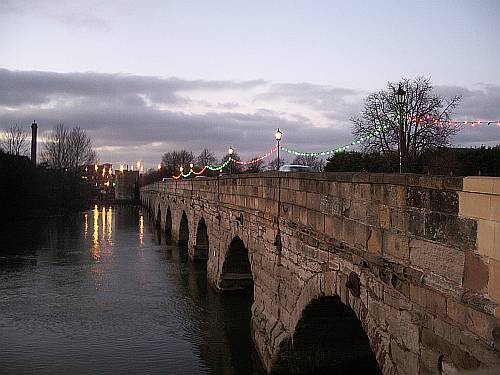
The Clopton Bridge stands at the same spot today – five hundred years old, and still carrying all the traffic across the river. Beneath the bridge, the Avon flows both chill and slow. I know the feeling.
I run past the boathouse, the Tramway Bridge and the Rowing Club. The Avon is full of rowers out bright and early. A couple of fours, a sculler or two. There are no canal boats today, but the river is navigable all the way from the sea.
 The navigation works were authorised by King Charles I in 1635, and by 1641 the river was open to within four miles of Warwick. But by 1874, the upper section had fallen into disuse.
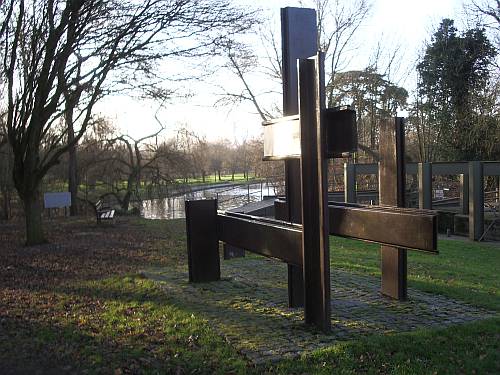
It was the vision of David Hutchings and the Upper Avon Navigation Trust to re-open the river between the Severn and the Birmingham Canal. Stratford New Lock was the last link in that chain, finally completed in 1971.
The lock was built by volunteers from Gloucester Gaol, and Stratford’s Shawshank offered a tough kind of redemption. Continue reading






 roads of stone